Lyrid Meteor Shower
The Lyrid meteor shower, also known as the April Lyrids, is one of the oldest known meteor showers, with records dating back more than 2,600… Read More »Lyrid Meteor Shower
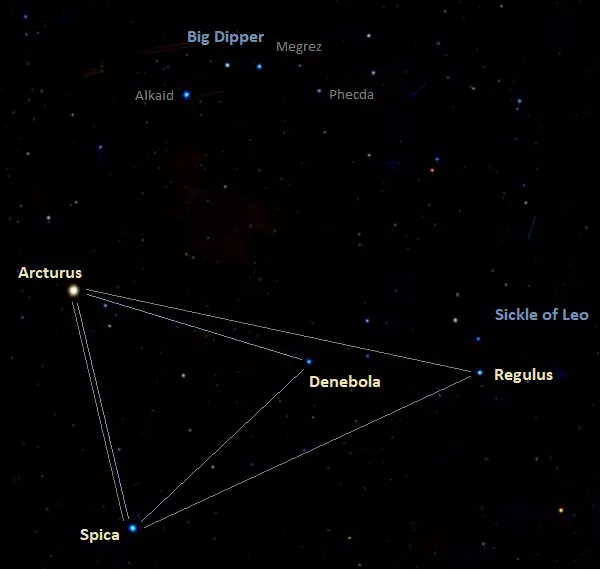
Regulus, also known as Alpha Leonis, is the brightest star in the constellation Leo and the 21st brightest star in the night sky. It has an… Read More »Regulus
Bode’s Galaxy, also known as Messier 81 (M81), is a grand design spiral galaxy located in the constellation Ursa Major. M81 is one of the brightest… Read More »Bode’s Galaxy – Messier 81
Thor’s Helmet is an emission nebula located in the southern constellation Canis Major. Its designation in the New General Catalogue is NGC 2359. The nebula is… Read More »Thor’s Helmet – NGC 2359
The Cat’s Paw Nebula, also known as the Bear Claw Nebula, is an emission nebula in Scorpius. The nebula is about 50 light years across and… Read More »Cat’s Paw Nebula
The Ursids, or Ursid meteor shower, are an annual meteor shower that coincides with the winter solstice. The Ursids occur from December 17 to 25… Read More »Ursids
The Geminids are an annual meteor shower that usually occurs from December 7 to 17 and peaks around December 13 or 14. The Geminids typically… Read More »Geminids