Eta Aquariids
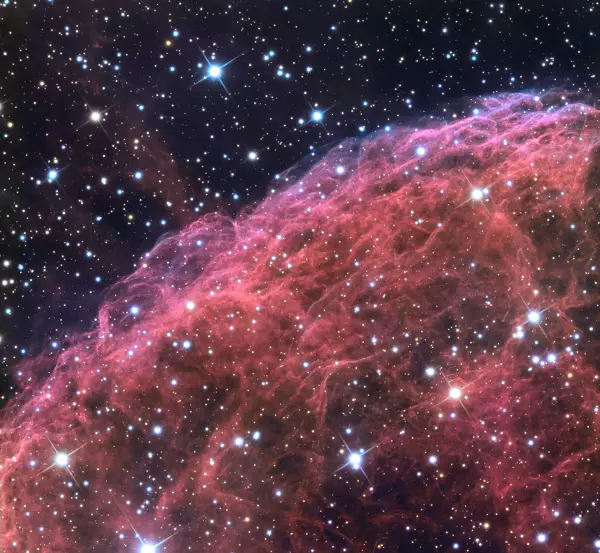
The Eta Aquariids are an annual meteor shower that appears to radiate from the southern constellation Aquarius. The meteor shower peaks on or around May 6… Read More »Eta Aquariids
Westerlund 2 is a giant star cluster located in a vast star-forming region Gum 29 (NGC 3247). The region is also known as the Whirling Dervish Nebula. The cluster and the nebula lie in the direction of the southern constellation Carina, at an approximate distance of 20,000 light years from Earth.
Read More »Westerlund 2 and Gum 29
The Lyrid meteor shower, also known as the April Lyrids, is one of the oldest known meteor showers, with records dating back more than 2,600… Read More »Lyrid Meteor Shower
Regulus, also known as Alpha Leonis, is the brightest star in the constellation Leo and the 21st brightest star in the night sky. It has an… Read More »Regulus
Bode’s Galaxy, also known as Messier 81 (M81), is a grand design spiral galaxy located in the constellation Ursa Major. M81 is one of the brightest… Read More »Bode’s Galaxy – Messier 81
Thor’s Helmet is an emission nebula located in the southern constellation Canis Major. Its designation in the New General Catalogue is NGC 2359. The nebula is… Read More »Thor’s Helmet – NGC 2359
The Cat’s Paw Nebula, also known as the Bear Claw Nebula, is an emission nebula in Scorpius. The nebula is about 50 light years across and… Read More »Cat’s Paw Nebula