Summer Triangle
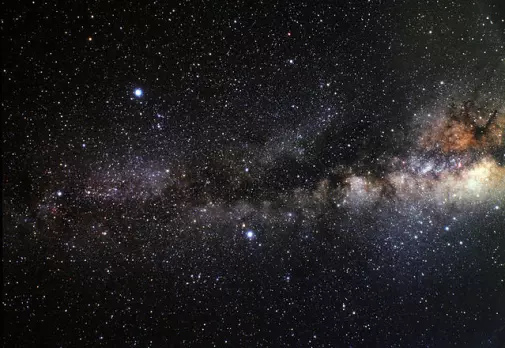
The Summer Triangle is an asterism formed by Vega, Altair and Deneb, the brightest stars of the northern constellations Lyra, Aquila and Cygnus. With three… Read More »Summer Triangle
The Summer Triangle is an asterism formed by Vega, Altair and Deneb, the brightest stars of the northern constellations Lyra, Aquila and Cygnus. With three… Read More »Summer Triangle
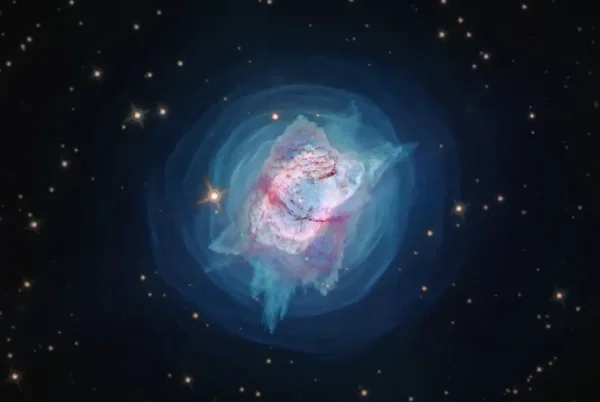
The Jewel Bug Nebula (NGC 7027) is a young planetary nebula located in the constellation Cygnus. It lies approximately 2,870 light years away. With an… Read More »Jewel Bug Nebula
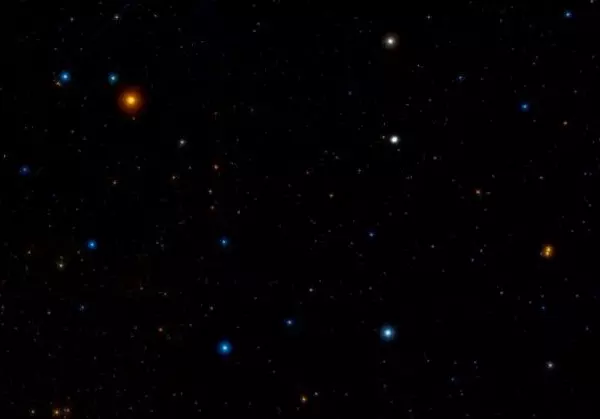
The Keystone is an asterism formed by four relatively bright stars in the constellation Hercules: Pi, Eta, Zeta and Epsilon Herculis. The trapezoid-shaped pattern makes it easy for observers to identify the constellation and to find several well-known deep sky objects. On a clear night, the Keystone can be seen between the bright Vega, the brightest star in Lyra, and the stars of Corona Borealis, the Northern Crown. The asterism represents Hercules’ torso.
Read More »The Keystone

The Lyrid meteor shower, also known as the April Lyrids, is one of the oldest known meteor showers, with records dating back more than 2,600… Read More »Lyrid Meteor Shower
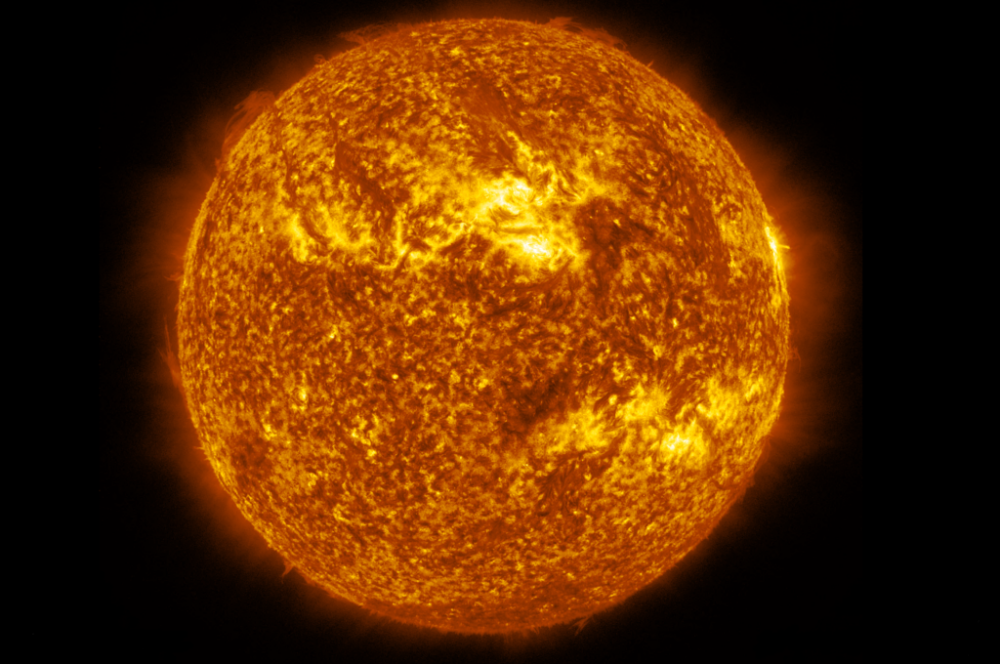
Arcturus, Alpha Boötis, is the brightest star in Boötes constellation and the fourth brightest star in the sky. With an apparent magnitude of -0.04, Arcturus… Read More »Arcturus
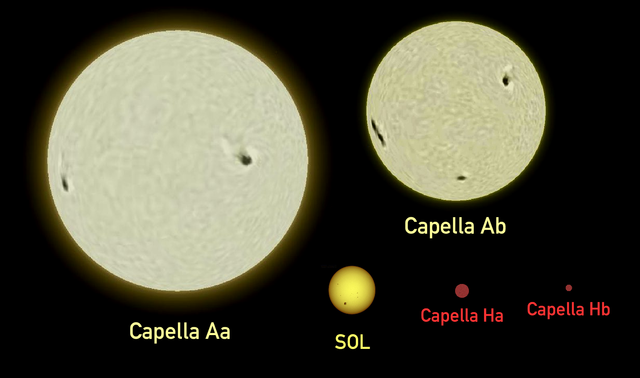
Capella, also known as Alpha Aurigae or the Goat Star, is the brightest star in Auriga and the sixth brightest star in the sky. The… Read More »Capella
Polaris, also known as the North Star, Alpha Ursae Minoris or Star of Arcady, is the brightest star in Ursa Minor constellation. It is the… Read More »Polaris: The North Star